

Plastic recycling can be profitable, but not in the simple way many people imagine. Money is not made from plastic waste alone. It is made from turning unstable scrap into a cleaner, more consistent material that manufacturers can use again.
The machine that makes things out of plastic usually refers to plastic processing equipment that melts raw plastic material and turns it into a usable form for manufacturing. In many factories, this process is completed by plastic extrusion or plastic granulation machines.
A plastic extruder machine is a piece of industrial equipment used to melt, convey, pressurize, and shape plastic materials into a continuous form. In simple terms, it takes plastic raw material, usually in granules, flakes, or powder, heats it inside a barrel, pushes it forward with a rotating screw, and sends the molten material through a die to create the required output.
Plastic color consistency is one of the fastest ways customers judge product quality, and one of the easiest places for small factories to lose money through scrap, rework, and long changeovers.
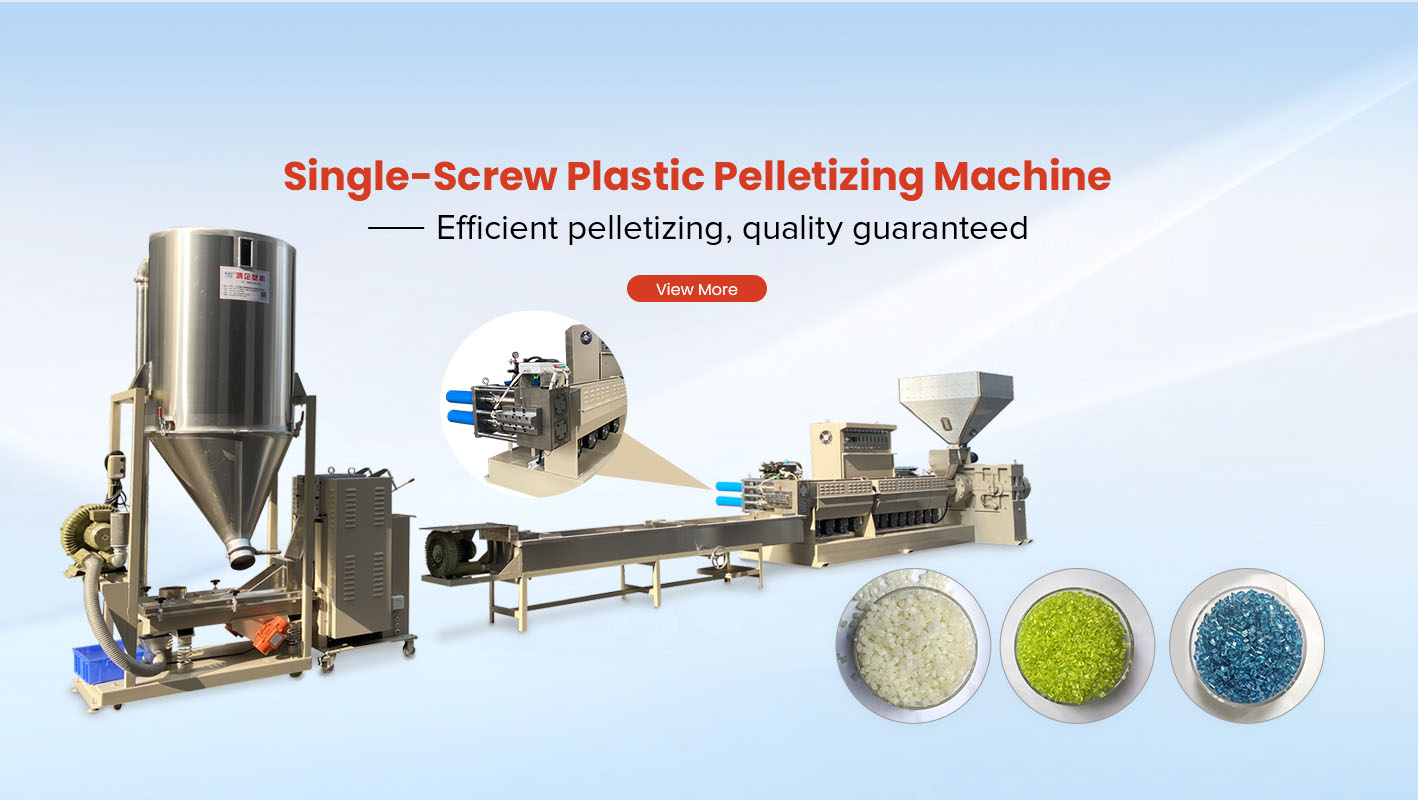
A single screw pelletizing machine combines high torque rotation, high barrel and die temperatures, pressurized molten polymer, and fast-moving pelletizing equipment. Most injuries happen during non-routine moments such as startup checks, screen changes, die cleaning, jam clearing, and maintenance, when guards are opened and people work close to moving or hot parts.
Yes, a single screw extruder can pelletize mixed plastic waste, but success depends on what mixed means in your feedstock and how the line is configured. In real recycling plants, mixed waste typically carries two challenges at the same time: polymer variation and contamination variation.
This guide explains the main plastic extrusion types you will encounter in production planning, what each process is best for, and how to choose between single screw extrusion and twin screw extrusion when your target is recycling, compounding, or pelletizing.
For plastic recycling plants and compounders, improving the efficiency of a single screw plastic pelletizing extrusion line means achieving higher and more stable output, reducing downtime, and keeping energy consumption under control while maintaining pellet quality.
In plastic processing plants, color mixing efficiency directly affects output stability, color consistency, material loss, and overall production cost. Inefficient mixing leads to common problems such as uneven coloration, longer cycle times, excessive masterbatch consumption, frequent downstream adjustments, and repeated rework.
A plastic color mixer machine is designed to blend polymers with color masterbatch, additives, or regrind so the material feeds consistently into downstream processes such as extrusion, pelletizing, injection molding, or film production.
A single screw plastic pelletizing extrusion machine runs best when maintenance is planned around heat, pressure, contamination control, and wear management. Most downtime is not caused by one big failure.
Choosing a screw conveyor is not only about selecting a diameter and motor. The right unit must match your material behavior, target throughput, installation angle, and upstream or downstream equipment, while keeping operation stable over long runs.