

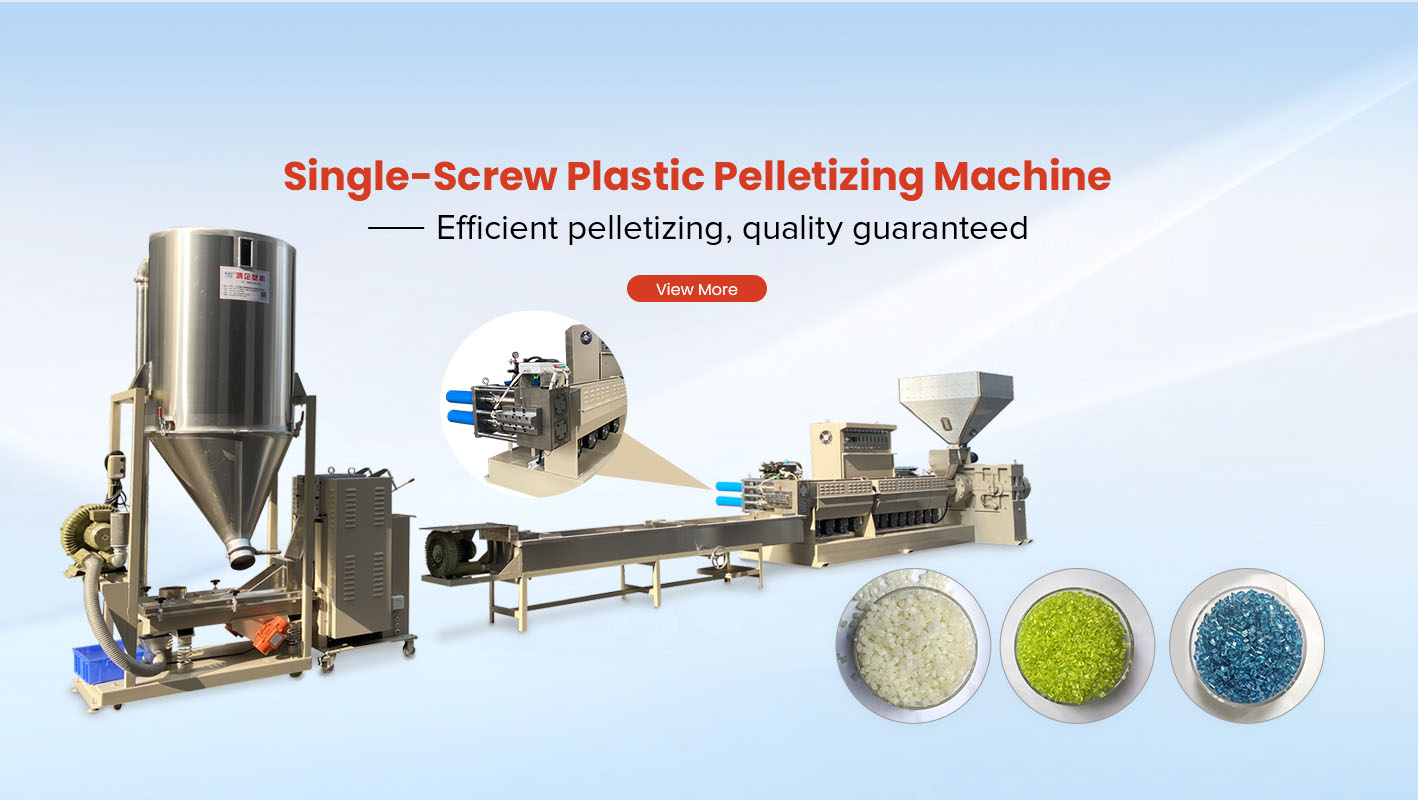
A plastic pelletizing machine is an industrial system that converts thermoplastic raw material or prepared plastic waste into consistently sized pellets for reuse in extrusion, injection molding, compounding, and other manufacturing processes.
Polyethylene, polypropylene, PVC, polystyrene, and PET are among the most common industrial plastics because they support high-volume manufacturing across packaging, construction, household goods, transportation, and consumer products.
A polymer is a substance made of very large molecules built from repeating structural units. A plastic is a processable material formulated mainly from one or more polymers, usually with additives that help it achieve a specific manufacturing or performance requirement.
Industrial plastics are polymer-based materials used to manufacture components, packaging, panels, electrical housings, automotive parts, pipes, machinery elements, and countless other products.
Industrial plastics are commonly divided into commodity thermoplastics, engineering plastics, high-performance polymers, thermosets, elastomers, and reinforced or compounded materials.
The “7 types of plastics” usually refer to the Resin Identification Code system found on packaging and molded products. The number inside the familiar triangular symbol identifies the main resin family; it does not automatically indicate recyclability, safety, quality, or the number of times a product has been recycled.
The phrase seven types of plastic recycling usually refers to the seven resin identification codes found on plastic products—not seven separate recycling technologies.
The main types of plastic pelletizers are strand pelletizers, water-ring or die-face pelletizers, underwater pelletizers and air-cooled hot-cut systems.
A plastic extruder uses heat and screw rotation to turn solid plastic material into a controlled, continuous melt. When the extruder is connected to filtration, cooling, cutting and screening equipment, it becomes the central part of a plastic pelletizing machine.
Pelletising and pelletizing mean the same process. “Pelletising” is the British English spelling, while “pelletizing” is the American English spelling. Both terms describe converting a material into pellets.